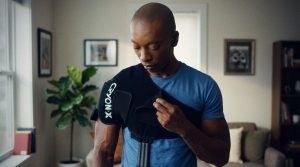
Ten days after surgery, the ice bag habit runs on autopilot. Then a nurse, a forum post, or your own physical therapist mentions heat. Now you are holding a heating pad, wondering if it will help or set you back a week.
The confusion is fair. Cold and heat do opposite things to your blood vessels. Use them in the wrong order and you can slow yourself down instead of speeding up. Contrast therapy, alternating cold and heat on purpose, has a real mechanism behind it. It also has a specific window in recovery where it belongs. Here is what that window looks like, what the research actually supports, and how to tell when you have reached it.
TL;DR: Cold narrows blood vessels. Heat widens them. Alternating between the two creates a pumping action that may help move swelling and stiffness along. It is not a day-one tool. Ice stays the default until swelling settles, usually one to two weeks after major joint surgery, and heat gets added only once your surgeon or therapist clears it.
Why Cold Still Runs the Show in Week One
Cold works by vasoconstriction. It narrows the blood vessels around the joint. That slows blood flow and limits how much fluid pools into the tissue. Less pooling means less pressure on nerve endings. That is the actual mechanism behind the relief you feel under an ice pack, not just numbness.
This is why cold, not heat, is still the default right after surgery. A 2024 review of 21 randomized trials found cryotherapy meaningfully lowered pain scores in the first three days after total knee replacement. The effect held across almost 1,500 patients. It was modest, roughly half a point to a point on a 10-point scale, but real and consistent.
The same review found no advantage for continuous cold-flow devices over a well-managed cold pack on that specific measure. A regulated unit’s real edge shows up elsewhere. It holds the temperature for the whole cycle. You are not re-icing every forty minutes with a bag that is already warm by minute fifteen.
What Actually Happens When You Add Heat
Heat does the opposite of cold. It causes vasodilation, widening the vessels and increasing blood flow. More blood flow means more oxygen and nutrients reaching the tissue. That is genuinely useful. Just not yet.
Applied too early, that same rise in blood flow adds fluid to a joint that is already swollen. A heating pad on a fresh incision can make the knee feel tighter by evening instead of looser. Applied at the right point, once the acute swelling has actually settled, heat loosens stiff tissue and gets you into physical therapy with a more cooperative joint. The difference is entirely about timing. It is not about which one works.
The Pumping Effect Behind Contrast Therapy
Stack these two responses on purpose and you get something new. Cold narrows the vessels. Heat widens them. Switching back and forth on a set cycle is thought to create a pumping action, moving blood and fluid through the tissue more than either temperature manages alone.
A 2024 study using near-infrared spectroscopy on fatigued shoulder muscle found that alternating heat and cold measurably changed local blood flow and oxygenation. That is the physiological basis researchers point to when they call this a vascular pump.
That is the mechanism. Whether it reliably improves outcomes for a swollen post-surgical knee is a separate question, and the next section answers that. If you want to see it before you try it, watch the full cycle in action first.
What the Research Actually Shows, and Where It Thins Out
The evidence base for switching between temperatures is smaller and lower quality than the evidence for cold alone. Most of it comes from athletic recovery and muscle-soreness studies, not post-surgical patients. Reviewers have reached different conclusions depending on which trials they included.
An earlier systematic review concluded there was insufficient evidence that the technique aids recovery at all. It flagged the methodological quality of the underlying trials as a real limitation.
More recent work paints a slightly kinder picture, for a narrower claim. A 2025 umbrella review of soreness studies found measurable pain-reduction effects at several points after exercise. That held true immediately after exercise, at 24 hours, and again at 48 and 72 hours. Most of the underlying reviews it pooled were still rated low quality.
Put plainly: the mechanism is real. The athletic-recovery signal is real, but modest. Nobody has run the rigorous post-surgical trial that would say whether adding heat speeds up a knee replacement recovery specifically. If a study changes that, this post gets updated. Until then, treat the approach as a stiffness and comfort tool layered onto your surgeon’s swelling protocol, not a replacement for it.
When to Start After Surgery
Do not start contrast therapy until the acute inflammatory phase has passed. That is typically 48 to 72 hours at the earliest for a minor injury. For a major joint surgery, it is more often one to two weeks. Wait until your surgeon or therapist has looked at the joint and confirmed swelling is trending down.
| Recovery Phase | What’s Happening | What to Reach For |
|---|---|---|
| Days 0–3 | Swelling is peaking; tissue is acutely inflamed | Cold only |
| Days 4–14 | Swelling is trending down; stiffness is setting in | Stay on cold; introduce alternating cycles only if your surgeon clears it |
| Week 2 and beyond | Swelling is controlled; motion is the limiting factor | Alternate cold and heat before movement, cold after activity |
Hospital guidance on post-injury swelling puts a similar 72-hour mark on when ice typically stops being the only option. A surgical wound is a slower, more individual timeline than a sprain, so let your own swelling be the guide, not the calendar.
Once you are cleared, the practical challenge is running two temperatures without turning your kitchen into a triage station. A cold and heat therapy unit handles both sides of the cycle from one device, which matters most exactly when you are least interested in managing a cooler and a microwave on the same schedule.
Using Heat and Cold Without Setting Yourself Back
Always follow the protocol your surgeon or therapist actually gave you. It overrides anything in this post.
Never apply a cold or hot source directly to bare skin. Therapy wraps sized to the joint keep the temperature where it belongs, without risking the skin underneath.
Watch the clock instead of your patience. Typical cycles run in defined minutes-on, minutes-off blocks, not however long feels right in the moment.
Post-surgical skin can be numb. The pain signal that would normally warn you is not reliable. Check the skin itself at intervals instead of waiting to feel something wrong.
Stop and check the area if you see white or waxy skin, blotchy red or blue color, blistering, burning, new numbness that does not resolve, or pain that is increasing instead of easing.
Talk to a clinician before starting if you have peripheral neuropathy, diabetes, poor circulation, Raynaud’s, cold urticaria, cryoglobulinemia, or reduced sensation in the area.
Call the surgical team, not this article, for signs of infection, sudden calf pain or swelling, shortness of breath, or fever. Temperature therapy does not address any of those.
Matching the Tool to Where You Actually Are
Week one was never about heat. It was about getting the swelling to stop winning, one ice bag and one clock-check at a time. That part of the job is not finished just because you are tired of it.
Week two or three looks different. The swelling has an answer now. The question shifts to getting the joint moving again without waking it back up. That is the window contrast therapy was actually built for, not day two. Knowing the difference is most of the skill.
Frequently Asked Questions
Can I start contrast therapy right after knee replacement?
No. In the first few days, swelling is actively increasing. Adding heat during that window can make it worse, not better. Cold stays the only tool until your surgeon or therapist confirms swelling is trending down. That is usually somewhere between one and two weeks for a major joint surgery, not a fixed date on a calendar.
How do I know my swelling has settled enough for heat?
Look for a joint that is smaller than it was at its peak. Skin color and temperature should feel closer to normal, and pain should be easing rather than spiking. If any of those are still moving the wrong direction, stay on cold. Ask your surgeon or therapist before adding heat, since numb post-surgical skin can hide the usual warning signs.
Does alternating cold and heat work better than ice alone for swelling?
Not in any way the evidence currently supports for post-surgical patients specifically. The research base comes mostly from athletic recovery and muscle soreness, where effects are modest and study quality is often low. For fresh post-surgical swelling, cold alone remains the better-studied, more direct tool.
How long should a session actually last?
Most protocols run a defined cycle. A common pattern is 10 to 15 minutes of cold, then a similar block of heat, repeated for a set session length. Follow the specific timing your surgeon, therapist, or device manufacturer provides. Durations vary by joint, injury type, and how far along your recovery actually is.
Can I use this approach for an old injury instead of a recent one?
Yes, and this is closer to where the research is strongest. Chronic stiffness and recurring soreness, without active swelling, is the setting most of these studies actually test. It is where the alternating cycle has the clearest track record for easing stiffness and improving comfort before activity.
Do I need two separate devices to alternate cold and heat?
No. A cold pack and a heating pad work, but swapping between them means two setups, two timers, and two chances to lose track of the cycle. A single unit built to run both temperatures on a programmed schedule removes that juggling, which matters most when you are managing your own recovery at home without help nearby.